
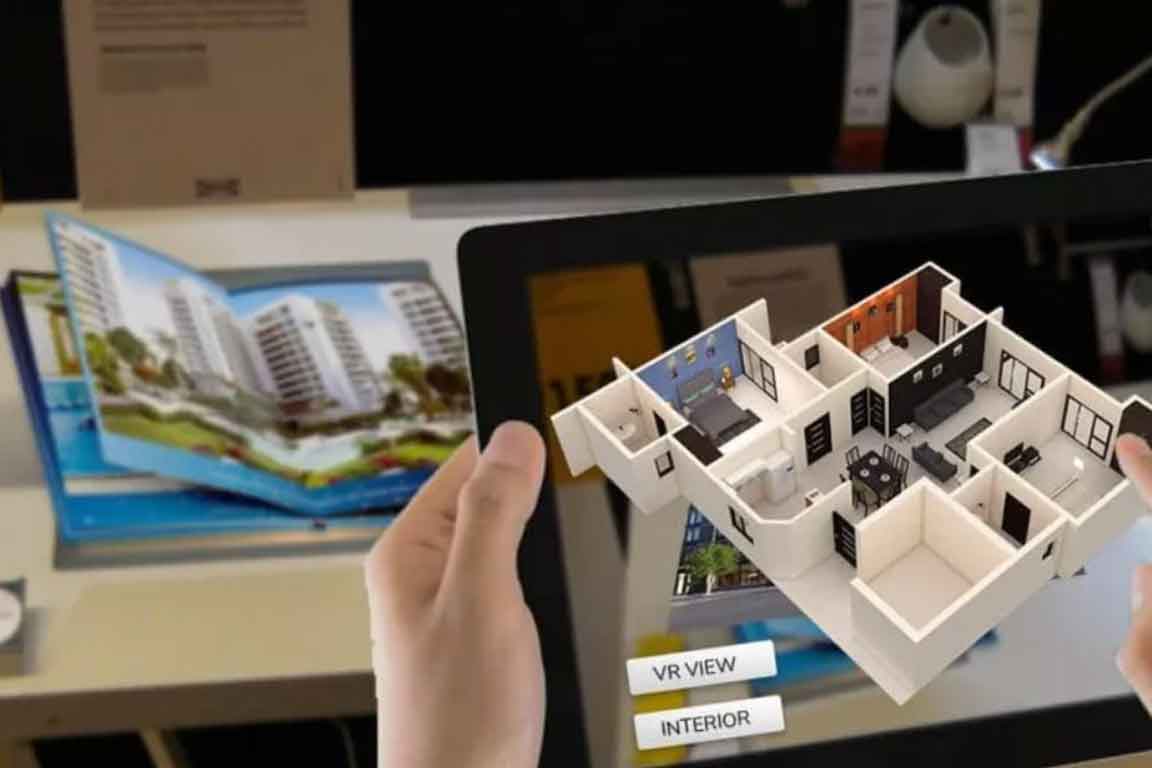
Architectural visualization has moved from being a design luxury to a core part of how real estate projects are planned, approved, and sold. For developers, architects, and marketing teams, it is now one of the most reliable ways to reduce risk before construction even begins.
At CYMAX, we work with this technology daily, building 3D renders, VR walkthroughs, and design visualizations for residential, commercial, and institutional projects across Hyderabad. This article walks through the real, practical benefits we see play out on actual projects, not just the theoretical advantages.
Faster, Clearer Internal Approvals
Before a single brick is laid, a project typically passes through multiple rounds of internal review, design committees, investor sign-offs, sometimes even family decision-makers in privately held development firms.
2D drawings require a trained eye to interpret correctly. Architectural visualization removes that barrier. A realistic render or walkthrough lets every stakeholder, regardless of design background, see exactly what is being proposed and approve it with confidence.
This alone often shortens the internal approval cycle by weeks, since fewer rounds of clarification and revision are needed.
Stronger Pre-Launch Marketing
Marketing teams need assets long before construction photography is possible. Architectural visualization fills that gap completely, providing hero images, elevation shots, and lifestyle renders that can be used across hoardings, Meta Ads, Google Ads, and brochures from day one of the campaign.
This is particularly valuable for project launches where the marketing timeline cannot wait for physical progress on site. A strong set of visualizations lets the sales and marketing team start generating leads months ahead of schedule.
Reduced Costly Design Mistakes
Catching a design flaw on a screen costs nothing. Catching the same flaw after construction has started can cost lakhs, or in serious cases, require rework that delays the entire project.
Visualization lets architects and developers walk through a space digitally and spot issues such as awkward room proportions, poor natural light, or layout inefficiencies, while changes are still cheap and easy to make.
This is one of the most underrated benefits of the technology. It is not just a sales tool, it is a quality control tool.
Improved Buyer Confidence and Trust
Buyers today are more informed and more cautious than ever, especially after seeing news of delayed or mismanaged projects elsewhere. Clear, honest visualization signals professionalism and transparency.
When a buyer can see an accurate, detailed representation of what they are purchasing, rather than vague artist impressions, it builds the kind of trust that directly supports faster bookings and fewer cancellations.
A Reusable Asset Across the Entire Project Lifecycle
One of the most practical benefits of architectural visualization is how long the assets remain useful. The same 3D model built for initial approvals can be extended into marketing renders, then into a full VR walkthrough, and later reused for handover presentations or future phase launches.
- Design and approval stage: internal reviews, investor presentations
- Pre-launch stage: marketing renders, ad creatives, brochure visuals
- Sales stage: VR walkthroughs, sales office presentations
- Post-handover stage: future phase marketing, case studies, portfolio assets
This reusability significantly improves the return on the initial visualization investment.
Real Project Examples
CYMAX has applied architectural visualization across a wide range of project types. For residential developers like Hallmark Builders and Aditya Homes, visualization supported both internal design approvals and external sales marketing for apartment and villa projects.
For institutional work, including the visualization developed for the ISKCON Temple project, accurate architectural representation helped stakeholders and devotees understand the scale and design intent of the space well ahead of construction.
On larger commercial and campus developments such as the Manchester Campus, visualization supported planning discussions and stakeholder buy-in across a far more complex set of spatial requirements than a typical residential unit.
Benefits at a Glance
- Faster internal approvals with fewer revision cycles
- Marketing-ready assets long before construction photography is possible
- Early detection of design issues, saving cost and rework later
- Clearer communication with investors, partners, and authorities
- Stronger buyer trust through accurate, transparent representation
- One investment, reused across approvals, marketing, sales, and handover
Frequently Asked Questions
Is architectural visualization only useful for large projects?
No. Even smaller residential or commercial projects benefit from clearer approvals and stronger early marketing, regardless of scale.
How accurate is a visualization compared to the final built project?
When built from finalised architectural drawings, visualizations are highly accurate in layout, proportion, and material representation.
Can visualization be updated if the design changes mid-project?
Yes. Since visualizations are built from a 3D model, design changes can usually be incorporated without starting the entire process over.
Does architectural visualization help with statutory approvals?
While it does not replace technical compliance documents, clear visualization often helps authorities and committees understand a proposal faster during review.
What is the typical turnaround time for a visualization package?
This depends on project complexity, but most residential packages are delivered within a few weeks of receiving finalised drawings.
Conclusion
Architectural visualization has earned its place as a core part of real estate development, not an optional add-on. It reduces risk during design, accelerates approvals, strengthens marketing, and builds the buyer trust that drives faster sales.
For developers, architects, and marketing teams looking to compete in a crowded market, it is one of the highest-leverage investments available before construction even begins.
Also Read